
Wise Women
On birth, reciprocity, and the first signals of a living system

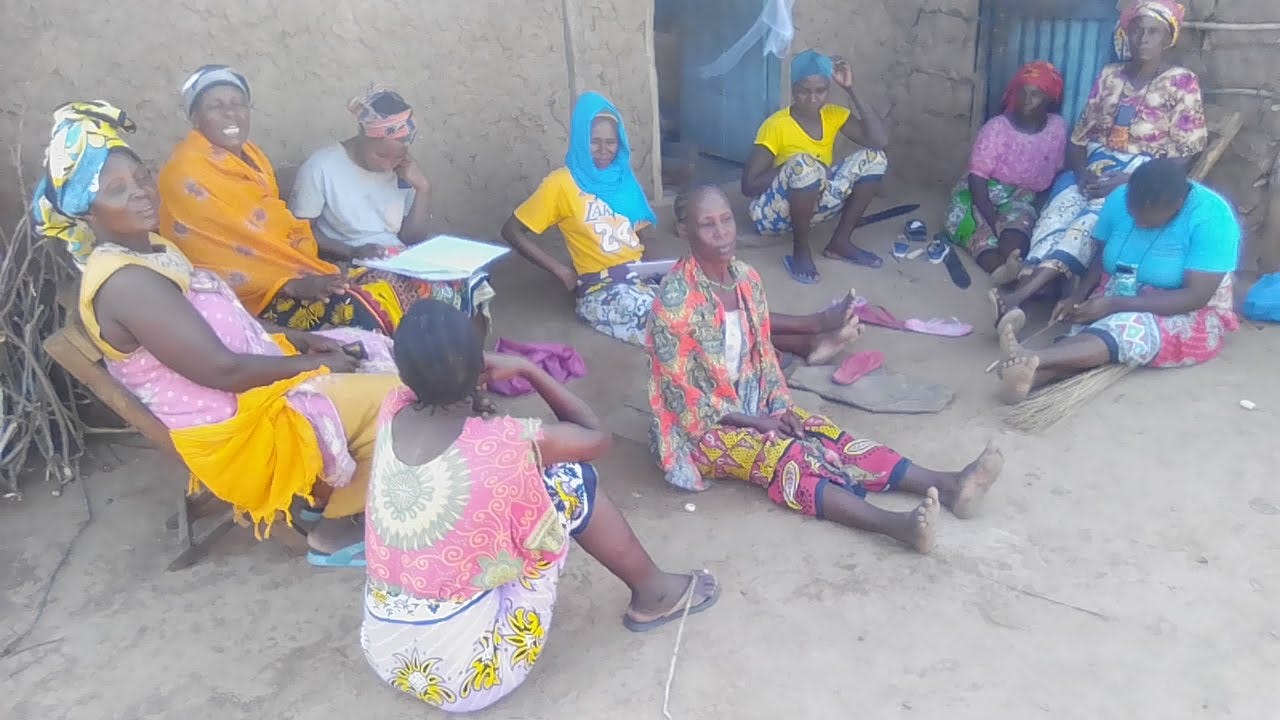
Suspending disbelief.... For a moment let’s consider that the first three days of your life out of the womb are incredibly important and informative.
Those 3 days are arguably some of the most important days you don’t remember.
I don’t remember them myself.
I can barely remember my first daughter’s. I remember it in bursts of emotion and color and smell. I remember holding her for the first times and our eyes locking together and feeling without any uncertainty that I would do whatever I could to care for her.
I remember the vow more than the technique.
But the details on how exactly she adapted from womb to air breathing, from umbilical nourishment to breast feeding, to new forms of digestion, temperature, light, sound, smell, hunger, touch, gravity...
I had no idea.
From the view of a parent, learning to notice minute, intimate signals rather than only dealing with the extremes....
Learning the difference between a cry that is simply a living nervous system processing the world, and a signal of hunger, cold, pain, loneliness, overstimulation, or needing to be held....
Learning that crying is not the first language.
Learning that there are signs before crying.
I also had no idea.
I was in a culture where none of that was taught to me or normalized. It was a school of hard knocks and you were lucky if your mother was there to teach you something, or your grandmother, or some auntie, or some woman who had seen many babies pass from water into air and still had the calm in her hands.
My first daughter has grown up and is a healthy and amazing thirteen year old.
I love and loved her with everything I had.
Yet love, without listening, is sometimes clumsy … love, without apprenticeship, can still miss the first signal.
Before the Cry 1.
Now going to classes pre-birth … 13 years later, it is different. I am a lot older also. But mostly things have changed.
So let’s go deep into those first days.... To understand them as transitions into a new form of life.
n.b. Later we will come back to social meandering to think about villages, city economies, communities on this planet right now transitioning into different forms of life. In some cases remembering old ways of being. In some cases entering new realms. In some cases leaving dependency on a cash economy and moving, trembling, toward reciprocity.
I think in the world I had lived in for too long, I ignored the birthing process. It was hidden or invisible to me. Just as I ignored other rituals for years and years. I didn’t know how to appreciate those first three days, or any of it.
It was filled with worry and stress. As a father all I knew what that you kind of just hang on. You try to be helpful. You feel lost. That is my experience.
Having someone actually explain the anatomy is quite different. The biology. The physiology. The somatic intelligence.
The whole process from experience.
N.B. I am learning, as is strangely normal in my life, in a language that is not my mother tongue..
I often end up learning from people who don’t speak my mother tongue. I don’t know why. Somehow it slows me down to listen more. I listen differently when I don’t know the language. Somehow that seems to help.
Somehow as well I am learning all this from women, just like the Mweria, as has been normal for me as well. And perhaps that they speak another language helps me respect them as much as I should have.
There is something in not fully understanding.
There is a humility in it.
You cannot pretend to be the expert when you are searching for the word for nipple, for latch, for uterus, for stool, for breath, for pain, for hunger, for calm.
You have to watch. You have to listen.
You have to let the wise woman show you with her hands.
Before the Cry 2.
I will describe it to you as I have been told … as if you are going through it.
Or about to.
Consider this how it might have gone, how it could go, how it often goes.
So here we go.
I will start from the moment of exiting the womb.
You are essentially breathed into the world. The rhythms of breath of your mother keep her intact and ease the opening. They set a rhythm that you use to turn and twist your way through.
Your skull changes shape. Your whole body is pressed and guided and released.
Your lungs, which were filled with fluid, must begin the impossible work of air.
The first breath comes. The air sacs open.
The pressure changes. The blood begins to move in a new way.
Your body, which had lived by placenta and cord, now has to receive oxygen through lungs that have never before done this work.
You go from thirty-seven degrees to room temperature.
You feel cold for the first time.
You feel light. You feel gravity.
You hear the world without water around you.
You smell your mother from the outside.
You see brightness, shadow, face.
You are no longer inside the ocean of her.
And yet if all goes well, you are put on her chest, skin to skin, and some ancient part of you knows what to do.
Or begins to know. Or searches.
There is a crawl in you. A rooting.
A turning of the head. A mouth opening.
A tiny animal intelligence, older than words, older than school, older than states and banks and bosses, older than the whole damn argument about who deserves what.
You search. You smell.
You bob your head. You open your mouth.
You rest. You try again.
You are not stupid. You are not lazy.
You are learning the exchange the dance.
And your mother is learning also.
As an aching, bleeding, breathing, exhausted, astonishing being who has just opened a gate between worlds.
And in the first few days she may not yet feel the fullness of milk as people imagine it. But this does not mean there is nothing.
There is colostrum. The first milk.
Thick. Golden. Yellow.
Small in quantity and enormous in meaning.
Not a river yet. More like a resin.
More like the first promise. More like a concentrated seed of immunity and food and memory. You need only tiny amounts at first, and still you need it again and again, because your stomach is small and your whole being is waking into hunger.
The sucking matters. The angle matters.
Your chin. Your mouth wide.
The nipple deep enough. The breast not as object but as living terrain.
The cheek full, not hollow. The quick little sucks and then the deeper swallows.
The pause. The let-down. The breath. The learning.
Your mother learning how to hold you.
You learning how to pull the flow through sucking. The two of you becoming a system.
A living feedback loop.
And out of your intestines comes the first dark green-black stuff, thick and tarry, the meconium, the old material of the womb leaving you.
Then slowly it changes. Greenish. Then browner. Then yellow.
The whole digestive system is making its first negotiations with Earth.
You start to lose weight. This is expected, within bounds.
You are shedding fluid. You are adjusting. Your family watches the diapers like weather.
Wetness. Color. Quantity.
The first poops.
The first signs that milk is moving through. The first evidence that the new economy of your body is beginning to circulate.
All these MASSIVE changes happen in a few days.
You are exhausted. You sleep as much as you can.
And by the second night, often, you are ravenous.
Or frightened. Or both.
You may spend what feels like the entire night at the breast.
Feeding. Resting.
Waking. Rooting.
Crying. (we will come back here)
Feeding again.
Your parents think maybe something is wrong because no one told them the second night can be like this. No one told them that the baby might suddenly understand, in the body, that the womb is gone. No one told them that milk is built through demand, through closeness, through the mouth calling the breast into fuller supply.
No one told them that a baby can seem famished and still be participating in the ancient work of bringing the river.
You become more and more aware of this new world around you.
The smell of your mother and those around you. The bright lights. The colors.
The taste of the first milk. The voices. The air on your skin.
The pressure of cloth.
The sound of your own cry bouncing back at you.
…
F*ING WHOA!!!!! … Stop a moment … .and breath.
And note that you won’t remember any of this.
Not as story. Not as words.
Not as “I was born and then I did this and then that.”
Because your brain has yet to formulate memory in that way.
You are not yet an autobiography.
You are a living nervous system with a baby brain.
Oh … F*ing oush….
Before the sentence, there is sensation. Before the argument, there is need.
Before the cry, there is signal. As you move your head, you open your mouth.
You stretch. You flutter your eyelids.
You bring your hand toward your mouth.
You turn toward the smell. You make small sounds.
You root.
You grimace.
You tense.
You soften.
You look away.
You stare.
You breathe fast and then slow.
You give little tiny signs of what it is you need.
You are learning to signal. You never really had to in that way before.
Inside the womb, so much was handled before you asked.
Warmth. Food. Oxygen. Motion.
Sound softened by water.
Now you must begin to participate.
You learn a kind of sign language.
The Cry
And the most extreme sign is a burst of crying.
Screaming for what you need.
Not manipulation. Not drama.
Not “bad behavior.” A late signal. A flare.
A red flag from a small body with no other parliament.
Sometimes you need food.
Sometimes you need help finding the breast. Sometimes you need warmth.
Sometimes you need your diaper changed. Sometimes you need the lights dimmed.
Sometimes you need a burp, or a different angle, or the pressure of a hand on your back.
Sometimes you just need a hug.
Sometimes you are signaling your intestines moving. Sometimes you are feeling discomfort.
Sometimes you might be processing something we have no way to even know.
And sometimes crying is just part of being alive.
But not every cry belongs to poetry. A weak cry, a cry that sounds wrong, poor feeding, a baby too sleepy to wake and feed, blue or grey color, hard breathing, fever, or a parent’s deep sense that something is wrong belongs to help, not interpretation.
Yet .. there are cries we do not need to panic about. Cries that are the nervous system discharging. Cries that are the little weather of transition.
Cries that say, “This is a lot.”
And there are cries we can often avoid, or soften, because we learned to see what came before. The rooting. The hand. The mouth.
The change in tone. The turning away. The body stiffening.
The little face saying not yet words but already truth.
If we, your parents and family, your kin, your community, can listen well, we can usually figure out something before you go into panic.
Not always. We will fail. We will be tired. We will think it is one thing when it is another. We will be late sometimes.
We will need someone wiser to show us.
And when you do go into panic, screaming, signaling, we can bring you back toward calm safety over time. Not by controlling you.
By joining you. By becoming regulated enough that your little nervous system can borrow ours.
And then we start to listen again. Forgive us for being slow at times.
We are also newborns in this role.
The Living System
So too do I signal what I need as I transition. So too I imagine a community going through a transition to a new state of being. Leaving the dependency of a cash economy and moving into reciprocity.
This is another kind of transition of a living collective being, and I want to treat it with as much care as I would a newborn baby.
Because the old system was a womb of sorts.
Not always loving. Often extractive. Often poisoned.
But familiar.
The cash economy fed through an umbilical cord of wages, prices, debt, rent, salaries, aid, grants, philanthropy, markets, banks, phones, platforms, taxes, fees, fines.
And then suddenly, or slowly, communities begin to ask:
Can we breathe another way? Can we feed each other another way? Can we remember commitments? Can we trust without being naive? Can we respond before the cry? Can we build systems where the first signals matter?
A village in transition also has first breaths. A new cooperative. A savings group.
A mutual-aid circle. A commitment pool.
A seed of grain. A basket of labor. A promise of transport.
A voucher for food. A mother who says, “I can cook on Tuesday.” A farmer who says, “I can bring cassava after harvest.” A healer who says, “I can see three people this month.” A builder who says, “I can give two days before the rains.”
The first commitments are like colostrum.
Not a river yet.
Small. Thick.
Precious. Full of immunity.
Enough to begin. And the first signals matter.
If a person stops showing up, that is a signal. If a promise is not fulfilled, that is a signal. If one family keeps giving and another keeps pulling, that is a signal.
If the pool is draining, that is a signal. If people are ashamed to ask, that is a signal.
If the women stop speaking in the meeting, that is a signal. If the young men laugh at the elders, that is a signal. If the elder says nothing but does not return, that is a signal.
If the soil is tired, that is a signal. If the water is farther away than last year, that is a signal. If the children are fed but the caregivers are exhausted, that is a signal.
If we wait until the screaming, the repair is harder.
Not impossible. But harder.
If we do not respond early, it gets harder.
But responding early is costly.
It asks time. Attention. Humility.
It asks men to sit in rooms where they do not understand the language and still stay. It asks the bosses to stop pretending that the economy begins at the invoice. It asks the oligarchs, the warriors, the macho men, the ministers, the bankers, the coders, the fathers, the sons....
Remember!
You were once utterly dependent.
You did not earn colostrum. You did not deserve warmth. You did not negotiate your first breath.
You were received.
Or you should have been.
And if you were not received well, then perhaps part of your life has been a long search for that first safety. (I’m talking to you as I do myself.)
A long politics of the missed signal. A long economy of the unanswered cry.
How sweet to know how each of us was cared for in those first three days.
And how unbearable to know that many were not.
How important it is for the macho man, the warriors, the bosses, the oligarchs, the men who talk of discipline and markets and domination and winning, to remember those three days.
Oh, that we forgot. Oh that we couldn’t remember. Oh, that those three days have been hidden from us.
Kept in open secret. Kept in women’s rooms.
Kept behind hospital curtains. Kept in the bodies of mothers.
Kept in the tired hands of midwives. Kept in the jokes of grandmothers.
Kept in the silence of fathers who were told to stand aside, or go to work, or be useful elsewhere.
….Or that the men have not been to the child birthing classes. They are busy at work while their wives, partners, sisters, mothers try to learn the actual protocols of life.
What a tragedy. Not only for the women.
For the men. For the babies.
For the villages.
For the economies we build afterward in the image of our ignorance.
Because if you do not know the first signals of life, perhaps you will design systems that only respond to collapse.
You will wait for the riot. The famine. The bankruptcy.
The eviction. The burnout.
The F*ING war!
The soil blown away.
The child screaming.
….. And then you will call in experts.
You will call in police. You will call in consultants.
You will call in emergency capital.
You will call in policy.
You will call in force.
… yes and maybe sometimes force protects.
Sometimes emergency response is necessary.
But dear God, what might have happened if we had seen the rooting?
The fist to the mouth. The early hunger.
The discomfort before distress.
The small missed commitment before the broken trust.
The dry diaper. The quiet baby too tired to cry.
The village too ashamed to ask. The mother too unsupported to rest.
The father too proud to say, “I don’t know what I am doing. Please teach me!”
Like lead-poisoned soil, missed signals accumulate. They do not always kill immediately.
They change the growth. They change what can root. They change what kind of crops can come later.
They make every later intervention more expensive.
There are opportune moments. Earlier moments. Moments when a small response creates momentum.
Moments when a hand under the neck, a better latch, a darker room, a cup of tea, a witness, a neighbor, a truthful accounting, a limit, a pause, a guarantor, an apology, can prevent the whole system from entering panic.
Momentum. Stagnation. Atrophy.
Developmental stages. Healing stages. Birth stages.
Community stages.
All of them asking:
Can you see me now?
Before I cry?
Wise Women
I am in passionate adoration of the Sage Femme.
The wise woman. The doula. The midwife. The trained nurse.
The grandmother who has been through dozens of births.
The auntie who knows the difference between hunger and gas and fear and “just hold the baby.”
The woman who can look at the angle of the mouth and say, gently, “Not like that. Try again.”
The woman who says, “The baby is not fighting you. The baby is learning.”
The woman who says, “Listen.” “Wait.” “ok … Now.”
The woman who knows that the body is not a metaphor, and yet teaches every metaphor worth having.
I learned these forms of reciprocity from wise women, who kept traditions alive in practice. I learned from women who carried living protocols without needing to name them as such.
How to notice. How to respond.
How to hold without dominating. How to support without taking over.
How to let the mother be central. How to let the baby lead.
How to let the system show you what it needs.
As a man
And I am writing this as a man. Not to take the wisdom and explain it back.
Not to enter the room as a master. But to implore men to pay attention. To come closer with humility.
To stop treating birth as women’s business in the dismissive sense, when it is of the first economies, the first ecologies, the first governance, the first commons, the first emergency response, the first act of care most of us ever received.
And for women, if there is space and willingness and safety, to hold the space in a way where we men can understand ourselves and how to take part in the cycle of our roles.
Not because women owe men more teaching. God knows women have tried to teach us….
But because the whole system is sick when half the species is allowed to remain ignorant of how life arrives.
I am in grateful respect and still listening.
For too long your wisdom has been kept in quiet rooms, such that so many of us simply have no idea how we got here.
No idea how our first breath came.
No idea what colostrum is. No idea that crying can sometimes just be a late signal.
No idea that a body can speak before words. No idea that an economy can fail the same way.
No idea that reciprocity begins not with accounting, but with attention.
So this is a small homage to Wise Women. To the ones who taught me that the first signal matters. To the ones who know how to hold the newborn and the village.
To the ones who kept the first protocols alive while men built towers and called them civilization. To the ones who know that a living system is not controlled into health.
It is listened back into relation.
And perhaps the whole world now is in its first three days.
Cold. Bright. Hungry.
Exhausted.
Half-terrified.
Searching for the breast.
Trying to breathe.
Trying to digest.
Trying to signal.
Trying not to scream.. . .
Oh heavens!!!!!!!!!!!!!!!!!!!!!!!!!!!
May we become wise enough to notice before the cry.
May we become humble enough to be taught.
May we remember, even what we cannot remember.
May we receive the world the way we ourselves needed to be received.
Skin to skin. Breath to breath. Signal to response. Promise to fulfillment.
Life to life.
…
..
.
F*ING WHOA.
Beautiful comparison between the birth of a new baby and the birth canal we are currently in as humanity 🙏 Thank you.